
Cardiac Arrhythmias
The heart normally has a well-controlled electrical system that regulates its rhythm. However, any issue within this system can cause a heart rhythm disorder. These disorders can result in symptoms such as palpitations, dizziness, tiredness, fainting, chest pains, or shortness of breath. Some more unusual symptoms include anxiety, insomnia, mood swings, or even abdominal pain.
Heart rhythm disorders may be caused by an electrical "short-circuit" within the heart or by "trigger happy" cells. They may also be due to other medical conditions such as heart attacks, aging, or scarring in the heart. In some cases, individuals may be born with an abnormal electrical pathway.
It is essential to consult your doctor if you experience any symptoms that may be a heart rhythm disorder. Your doctor will work with you to help diagnose and treat the problem. If you're experiencing any heart rhythm disorder symptoms, Dr. Hsieh would be happy to help. As a healthcare provider with expertise in this area, he can provide you with a thorough evaluation, personalised treatment plan, and ongoing support to help manage your condition effectively.
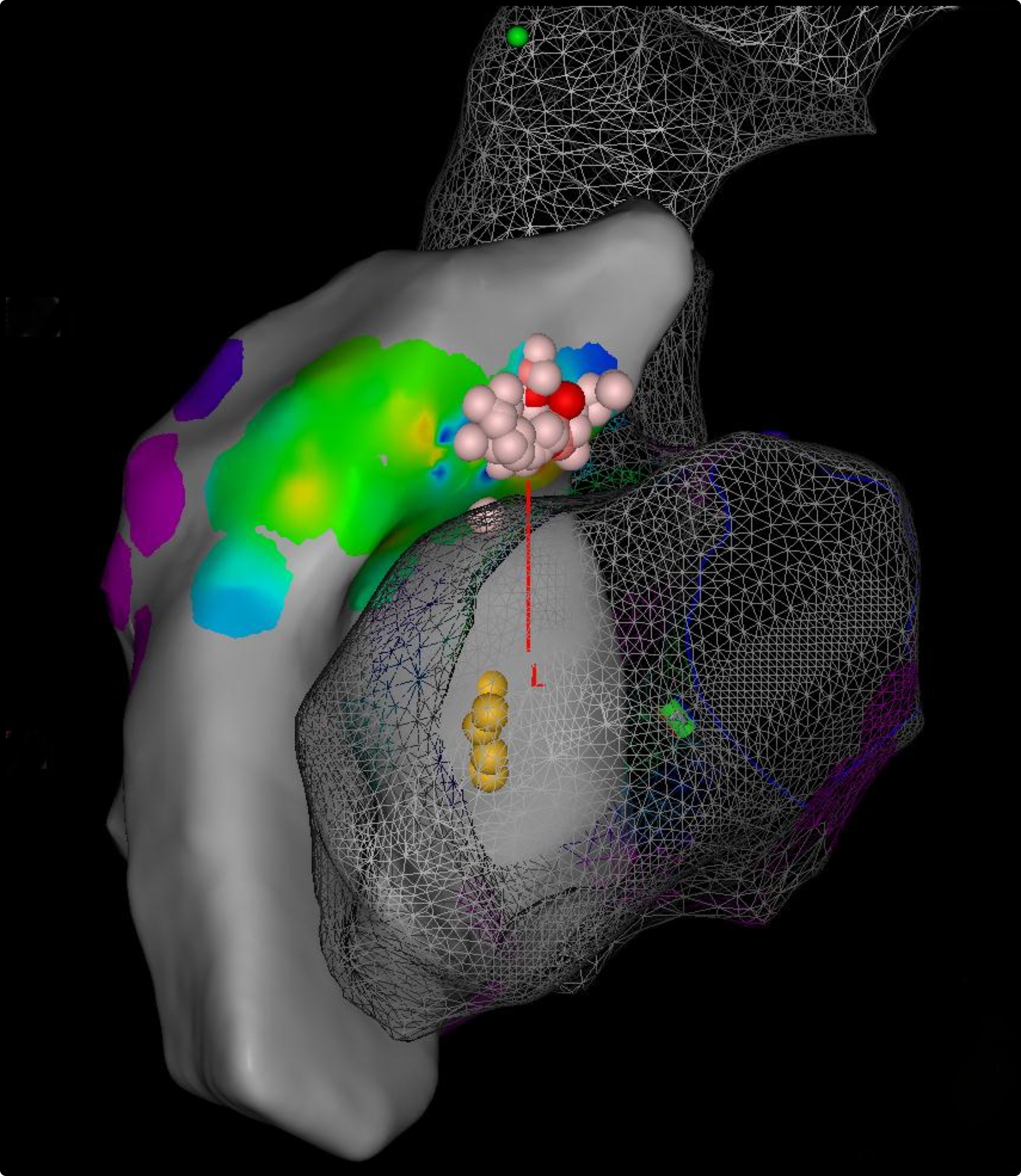
Common types of cardiac arrhythmias
-
AVJRT/AVRT
These arrhythmias result from small gaps in the electrical insulation within the heart between the atria (top chambers) and ventricles (bottom chambers). This can lead to electrical short-circuits between these chambers.
-
Atrial tachycardia
This is a rhythm problem caused by a few cells in the atria becoming "trigger-happy."
-
Atrial flutter
This rhythm disorder is caused by the formation of a large electrical circuit within the atria, leading to an electrical short-circuit. Atrial flutter often responds poorly to treatments other than catheter ablation.
-
Outflow tract ventricular tachycardia
This occurs due to "trigger-happy" cells in the ventricles, usually in the area where blood flow is leading out of the heart.
-
Ischaemic or scar-related ventricular tachycardia
In patients with a history of heart attack (infarction) or previous cardiac surgery, abnormal electrical circuits within the ventricles can lead to potentially dangerous rhythms.
-
Cardiomyopathy-related ventricular tachycardia
This is an uncommon condition where areas of the heart are damaged, but not due to a heart attack, which can lead to dangerous rhythm problems associated with abnormal electrical circuits within the ventricles.
Dr Hsieh discusses cardiac rhythms and cardiac rhythm management
Procedures
Electrophysiology study
An electrophysiology study is a procedure that typically lasts between 30 minutes to 4 hours and is performed to closely examine the electrical properties of your heart. By conducting this test, Dr. Hsieh can better evaluate your arrhythmia and determine how it may impact your future health. This study is considered to be the most accurate and reliable method for evaluating heart rhythms, and it helps to establish treatment options that are best suited for your individual needs.
Minimally invasive catheter ablation
-
Catheter ablation is a safe and minimally invasive procedure that effectively controls heart rhythm issues. It is performed by an electrophysiologist like Dr. Hsieh in a specialised cardiac catheter lab. This technique is highly successful in controlling or eliminating most rhythm problems. For more complex rhythms, a 3D model of the heart chambers may be created using specialised computers, which takes more time but provides highly effective results and increased safety. With catheter ablation, you can experience improved heart function and an improved quality of life.
-
Preparing for a catheter ablation procedure is similar to getting ready for other types of elective medical procedures. You will need to refrain from eating or drinking anything after midnight the night before the procedure, unless instructed otherwise. If you take warfarin, it's important not to discontinue this medication, but instead have a blood test (INR) the day before the procedure. For those taking alternative medications like Eliquis, Pradaxa, or Xarelto, the last dose should be taken the day before the procedure. If you are taking a rhythm-controlling medication, it should be stopped 3-5 days before the procedure, although please clarify this with Dr. Hsieh.
It's also important to pack for an overnight stay in the hospital and bring all of your regular medications. Additionally, please make appropriate arrangements for transportation to and from the hospital as you won't be able to drive until the sedatives have worn off. For your safety, patients who have received sedatives should not drive for at least 24 hours after the procedure, although the exact recovery time may vary. -
We understand that undergoing a medical procedure can be daunting, which is why we strive to make your experience as comfortable as possible. Our team of experienced professionals will be with you every step of the way to ensure that you are well taken care of.
During the procedure, you will either be given general anaesthesia or sedation, depending on what is most appropriate for you. Our anaesthetist will be responsible for ensuring that you are comfortable throughout the procedure.
Small, flexible tubes called catheters will be inserted into your groin area after the application of antiseptic and sterile drapes. The catheters will then be guided up through the veins in your body and into the right side of your heart using specialised x-rays known as "fluoroscopy." If necessary, a special needle will be used to create a small hole in the heart, allowing equipment to be passed into the left atrium to treat the arrhythmia.
During the diagnostic stage of the procedure, sedation may be kept light to increase the likelihood of diagnosing the initial problem. Don't worry, as you will be made comfortable. However, you may experience sensations such as your heart jumping or racing during this period. Intravenous medications may be administered to speed up the heart, which can cause you to feel agitated as though you are exercising when you are not.
It's important to note that you may receive intravenous blood thinners for the duration of the procedure to prevent blood clots. Our team will ensure that you are well-informed and prepared for the procedure, and we are here to answer any questions or concerns you may have.
-
Upon completion of the procedure, the catheters will be removed, and pressure will be applied to the insertion site to minimise any bleeding. You will be required to stay in bed for a minimum of 3-4 hours, and stay in the hospital overnight for monitoring. You may experience stiffness from remaining in one position for an extended period once you are free to move around. After the procedure, you will resume your regular medication routine, including any blood thinners. You may feel some discomfort in your throat, chest or groin following the procedure.
-
After returning home, it is important to limit your activities for a few days to allow the insertion site to heal. You may experience some soreness in your chest or bruising and tenderness at the insertion site, and if it becomes warm, swollen, painful or tender, you should contact your doctor immediately.
It is normal to experience extra heartbeats, racing heart or skipped heartbeats on and off for a few weeks after the procedure. Sometimes, you may feel as though your abnormal heart rhythm is starting but then the symptoms stop. These symptoms should subside within 4-6 weeks, but if they are prolonged or severe, or if your abnormal heart rhythm recurs, you should contact Dr Hsieh for further evaluation. -
Like all medical procedures, catheter ablation comes with some risks. These include a less than 0.2% chance of stroke, a less than 0.5% chance of bleeding around the heart, a less than 1% chance of damage to blood vessels in the leg, and a less than 1% chance of requiring a permanent pacemaker due to damage to the heart's normal wiring. Other possible risks include irritation, infection, or bleeding at the site where the catheters were inserted. In rare cases, there is a risk of mortality. The risk of complications is higher when treating rhythm disorders in the ventricles. If you experience any concerning symptoms after the procedure, contact Dr. Hsieh immediately.